THERE'S A LOT OF WILDLIFE TO EXPLORE IN AFRICA!
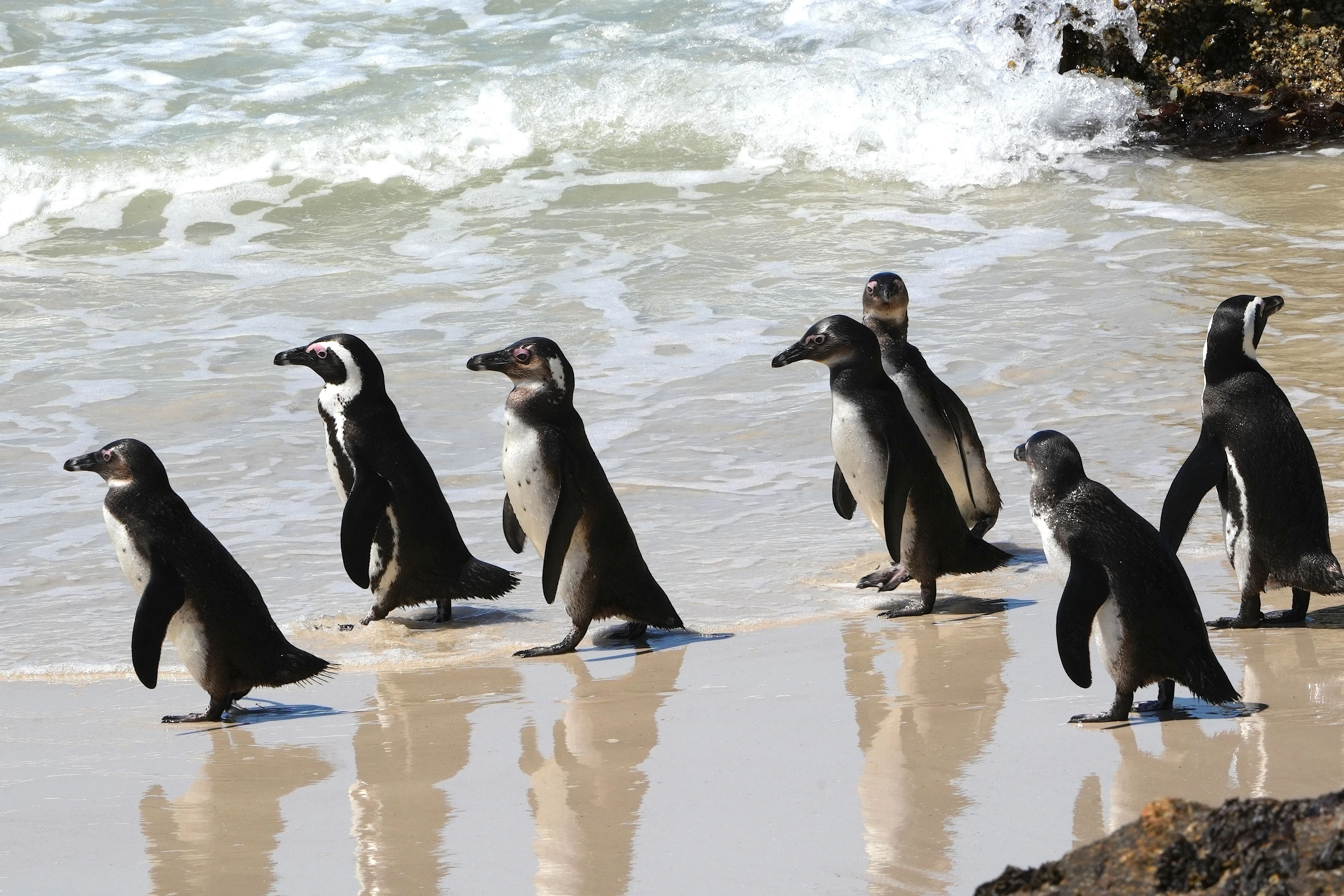
Boulders Beach, South Africa
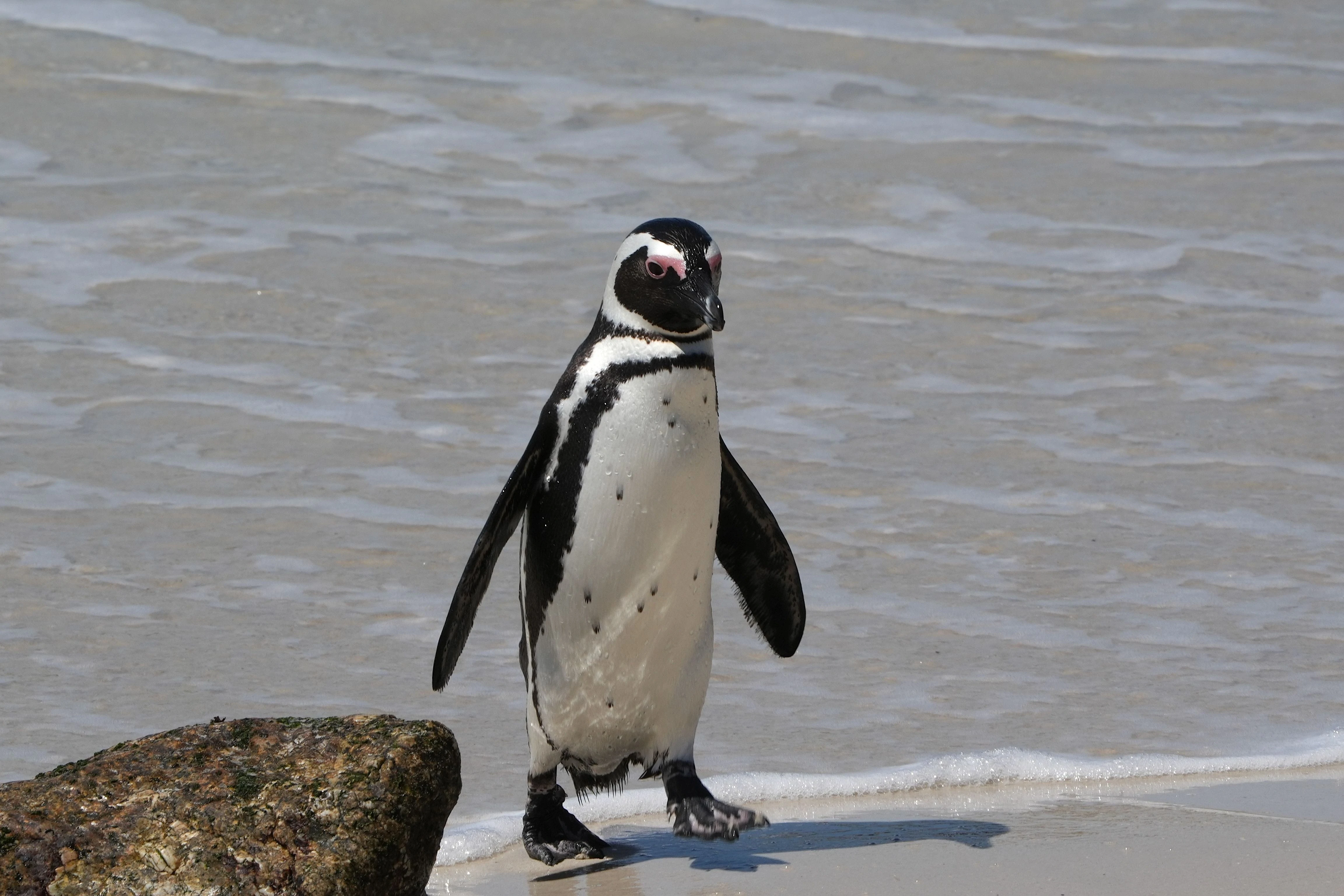
African Penguin
Fun Facts:
* The only penguin species native to the entire continent of Africa.
* Each penguin has unique chest patterns, making them all different like our fingerprints.
Animal Info:
Where do they call home? South Africa
Average Animal size: 24' - 28"
What is a group called? A Colony of African Penguins
What do they eat? Sardines, anchovies, & horse mackerel (small fish)
What type of habitat? Atlantic Ocean Coastal & Shoreline
Current population size: <19,800
What is the conservation status? CRITICALLY ENDANGERED
Conservation organization to learn more: SANCCOB Saving Seabirds


African (Bush/Savanna) Elephant
Fun Facts:
* The largest mammal on Earth!
* The ear is shaped like the continent of Africa.
*Two species of African Elephant: Bush/Savanna & Forest
Animal Info:
Where do they call home? 23 countries in Africa; largest herd in Botswana
Average Animal size: 8-11' tall & up to 15,000 lbs
What is a group called? A herd of elephants.
What do they eat? They are Herbivores and only eat plants. All parts of plants (roots, bark, leaves, fruit, stems, grasses).
What type of habitat? African savanna & forest
Current population size: 150,000 African Bush Elephants
35,000-145,000 African Forest Elephants
What is the conservation status? CRITICALLY ENDANGERED
Conservation organization to learn more: Save the Elephants

Kruger National Park, South Africa


Kruger National Park, South Africa
African Wild Dog
Fun Facts:
* Also call Painted Dog because of their fur pattern.
*Very social animals and care for each other in their pack.
*Alpha male & Alpha female lead the pack of about 20 dogs.
Animal Info:
Located: South Africa, Botswana, Namibia, Zimbabwe, Zambia
Average Animal size: 30" - 40" long, stand 2' tall with 12" - 16" tails, weigh 40 -80 lbs.
What is a group called? A pack of African Wild Dogs.
What do they eat? Carnivores; Smaller animals like rats, birds, wildebeest calves. They hunt in packs to target larger prey like wildebeest or antelopes.
What type of habitat? Open plains and sparse woodlands.
Current population size: > 7,000
What is the conservation status? ENDANGERED
Conservation organization to learn more: Painted Dog Conservation


African River Eagle
Fun Facts:
* The National bird of Namibia, Zambia, Zimbabwe, South Sudan
*It's loud call is the bird call commonly attributed to sounds of Africa.
*Known as kleptoparasites - they steal food from other birds.
Animal Info:
Where do they call home? All over the continent of Africa south of the Sahara desert.
Type of bird: A raptor (bird of prey) with spines on its claws to carry slippery fish.
Average Animal size: Wingspan 6'-8' & Body 25"-30"; Weighs 4-8 lbs.
What is a group called? Solitary birds but mate for life; from the sea eagle family
What do they eat? Fish, waterfowl, terrapins (turtles), crocodiles & sometimes flamingos
What type of habitat? Near water; lakes, rivers & coasts.
Current population size: 300,000
What is the conservation status? LEAST CONCERN

Crooks Corner, Kruger National Park, South Africa


Kruger National Park, South Africa
Black-Backed Jackal
Fun Facts:
* Named because of its dark colored fur on its back.
*Great scavengers & follow larger predators to clean up after their hunts.
* The word 'jackal' is ancient from the Indian Sanskrit language meaning "the howler".
Animal Info:
Where do they call home? East Africa & Southern Africa
Average Animal size: ≈ 15-16" tall & 13-16 lbs
What is a group called? A Pack of Black-Backed Jackals.
What do they eat? Omnivores/small animals, insects, fruit.
What type of habitat? Savanna, grasslands, semi-deserts & coastal
Population size: Unknown; widespread & breeding is abundant with lots of pups!
What is the conservation status? OF LEAST CONCERN


Cheetah Conservation Fund, Namibia
Cheetah
Fun Facts:
* World's fastest land mammal with speeds up to 70mph!
* Cheetahs purr like a domestic cat and cannot roar.
*Have a 20' stride when running full speed!
Animal Info: (LOTS MORE info - Cheetah tab)
Where do they live? Primarily in Africa, small population in Iran & India
Average Animal size: 28-36" tall, up to 7.5' nose to tip of tail
What is a group called? Only males form groups called coalitions.
What do they eat? smaller antelopes, hare, rodents, birds, young warthogs
What type of habitat? African savanna, grassland
Current population size: < 7,100 total all species
Conservation Status: 3 of the 5 species are CRITICALLY ENDANGERED or ENDANGERED
Conservation organization to learn more: Cheetah Conservation Fund


